
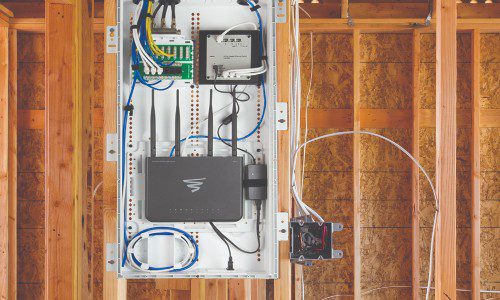

Before “smart homes” were a product category, home automation meant manual wiring. I worked in home security and AV long before voice assistants were common, and automation back then was brute force. You physically ran wires. You cut into walls. You installed relays and switches to make something turn on or off. It worked—but it was labor-intensive, expensive, and not renter-friendly in the slightest.
That experience mattered later, because it taught me an important lesson early:
Automation that requires destruction or constant maintenance isn’t sustainable.
When Voice Assistants Changed Everything (and Why They Fell Short)

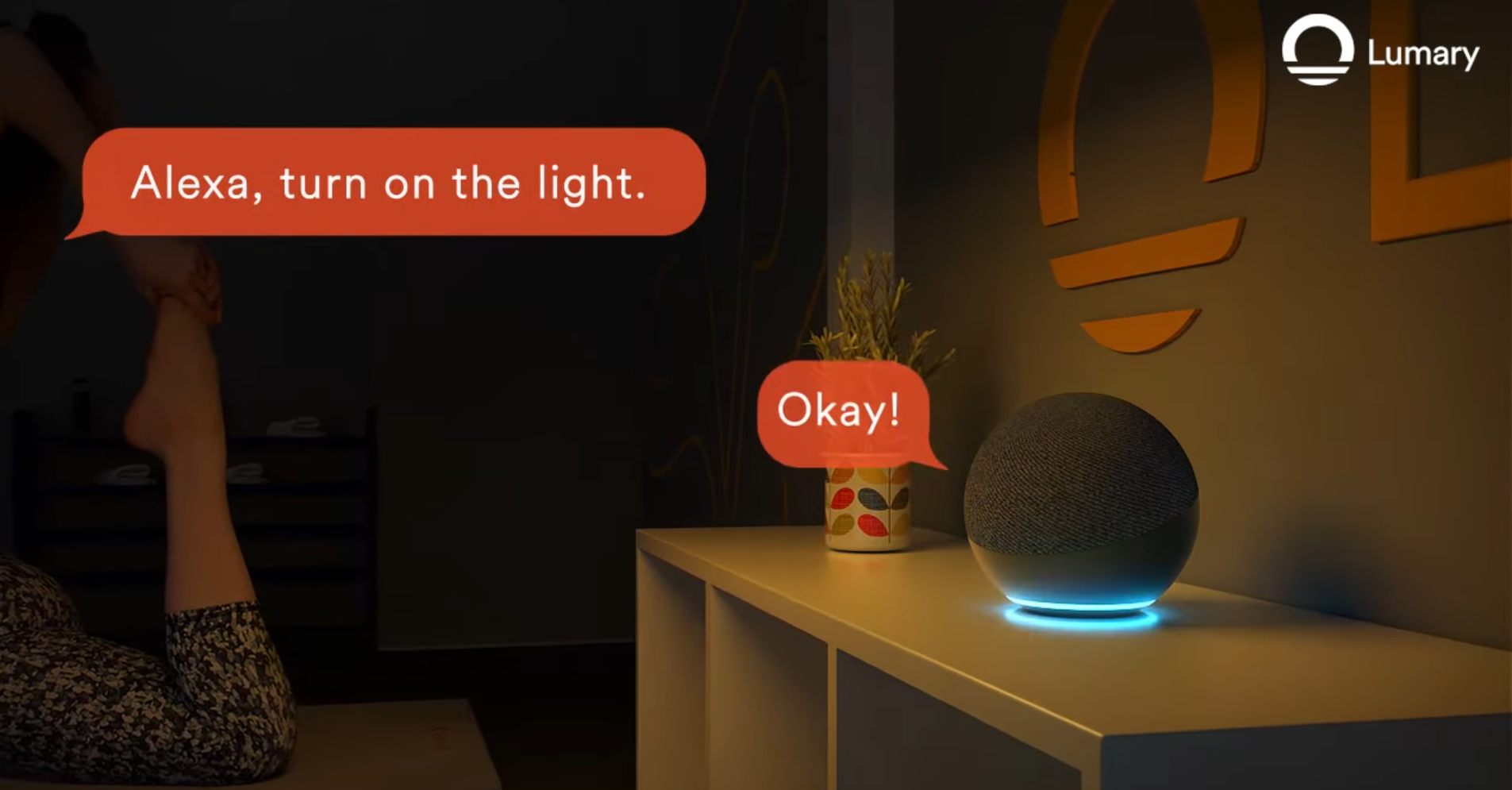
When Amazon Alexa hit the market, it felt revolutionary. It was the first system I owned that normal people could actually use. It had APIs, early device integrations, and enough flexibility to be genuinely useful. I experimented with it heavily.
But Alexa had a core limitation:
it didn’t follow you.
At the time, I’d switched fully to Android. Google Maps, Gmail, Contacts, YouTube—Google already ran my daily life. If I asked where something was, I didn’t want it spoken into a room; I wanted it sent to my phone.
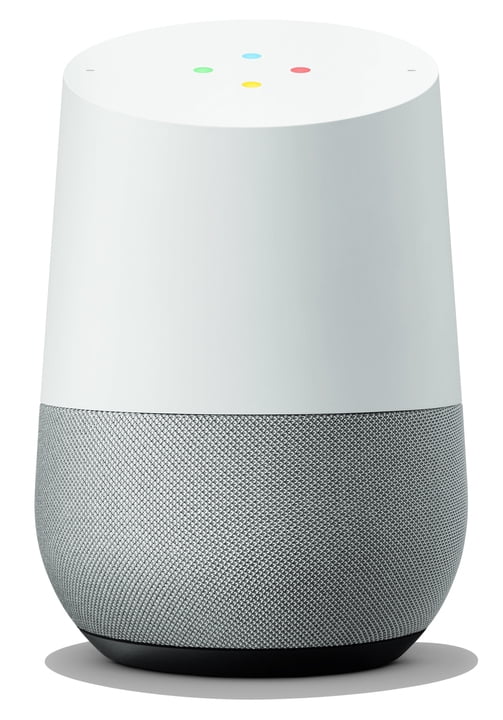
So I pivoted to Google Home.
I scattered Google Home devices throughout the house and started adding Wi-Fi lights, switches, and smart plugs. For a while, it was great—and during a difficult season, it was more than just a novelty.
As my mom entered the late stages of cancer, voice-controlled lighting gave her independence. She could turn lights on and off without getting up. That alone made the system worth it.
But cracks started to show.
The IT Brain Ruins the Fun (Privacy, Networks, and Reality)
As my IT career advanced, I started asking uncomfortable questions.
- Why are light bulbs talking to the internet?
- Why is my Wi-Fi flooded with tiny always-connected devices?
- Why does one brand work with one ecosystem but not another?
- Why does a simple automation break when the internet blips?
Google Home—and cloud-first platforms in general—were convenient, but they weren’t reliable, private, or truly integrated.
Cameras didn’t always play nicely. Doorbells were hit or miss. Automations were shallow. And everything depended on external services I didn’t control.
That sent me down the rabbit hole.
Discovering Real Automation with Home Assistant
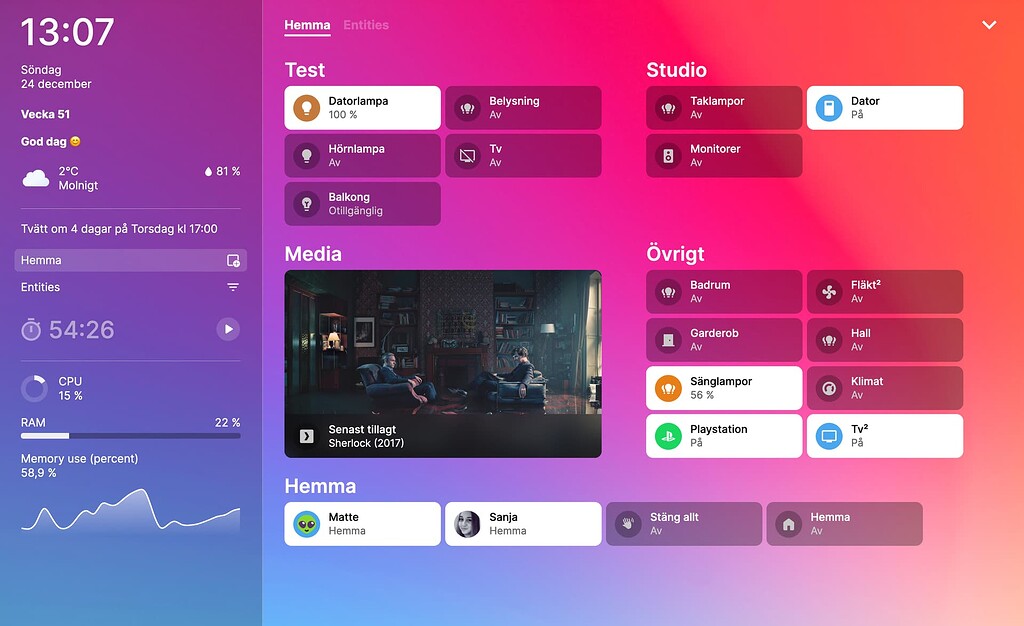
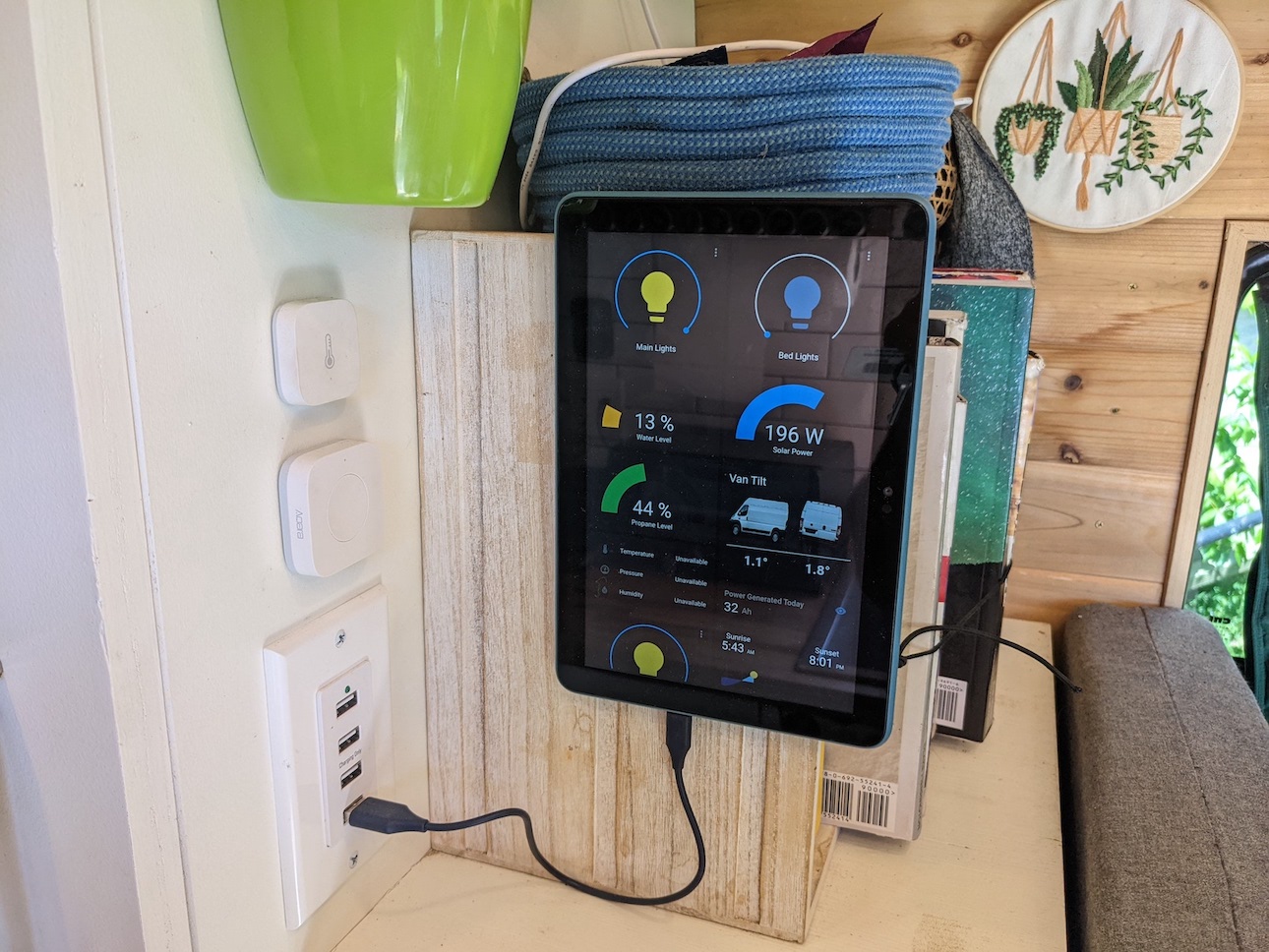
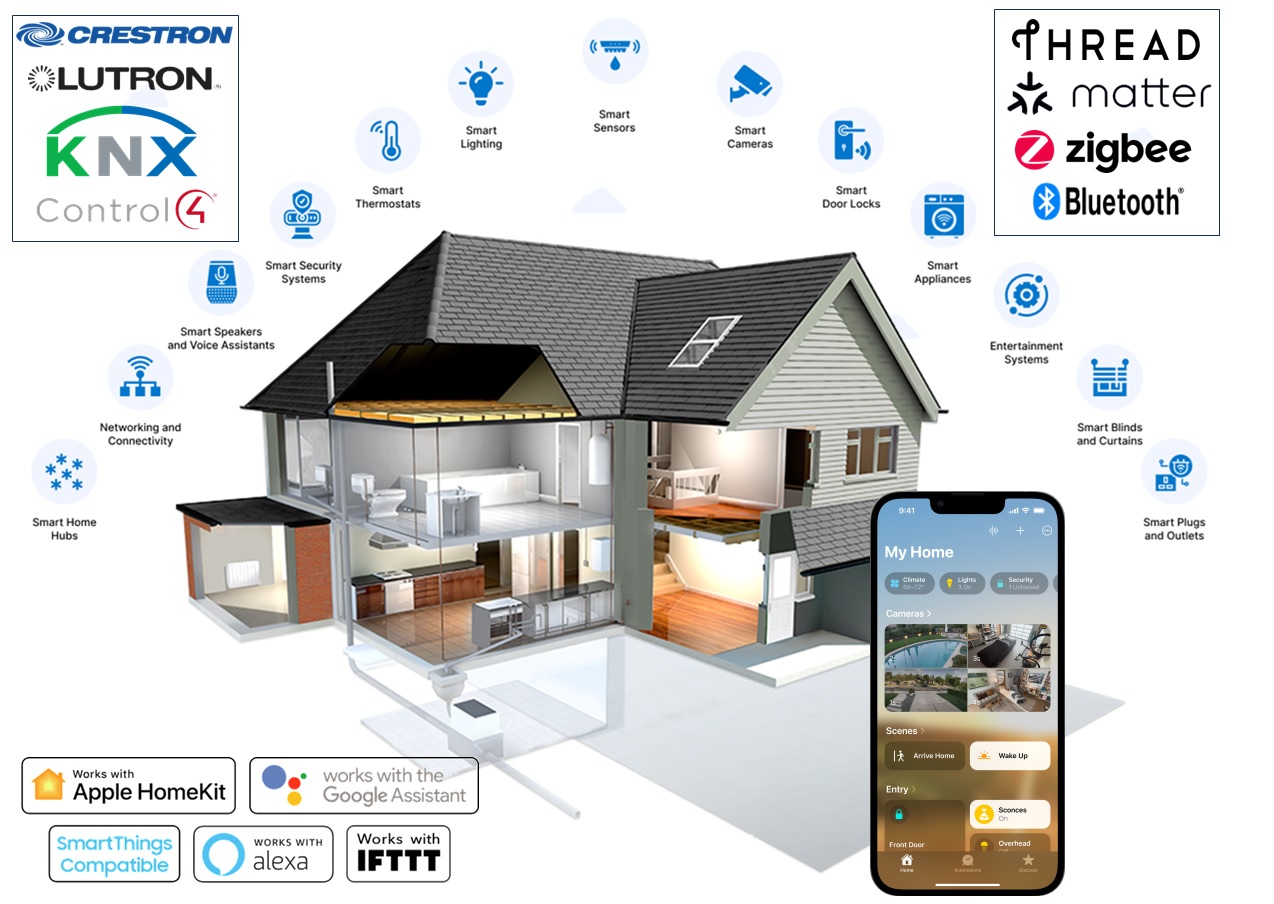
That’s when I found Home Assistant.
At first, I ran it on a Raspberry Pi—like most people do. It worked, but it wasn’t perfect. USB adapters everywhere. SD cards dying from constant writes (a lesson learned the hard way). Stability issues once automations grew.
Still, something clicked.
For the first time:
- Automations ran locally
- Devices didn’t need internet access
- Logic could be as simple or complex as I wanted
I stopped thinking in terms of “smart devices” and started thinking in systems.
Committing Fully: Home Assistant Yellow and a Local-First Home
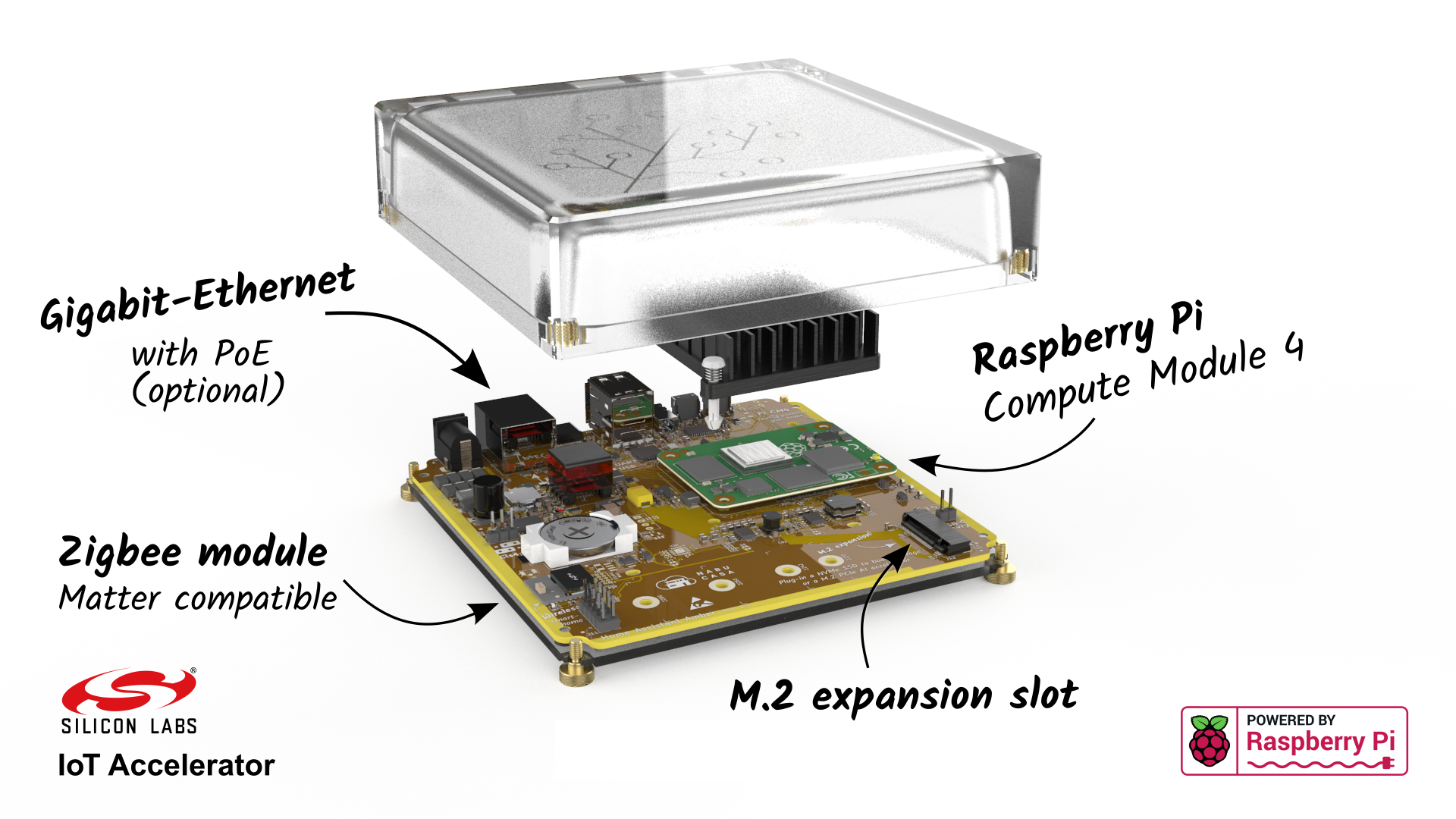
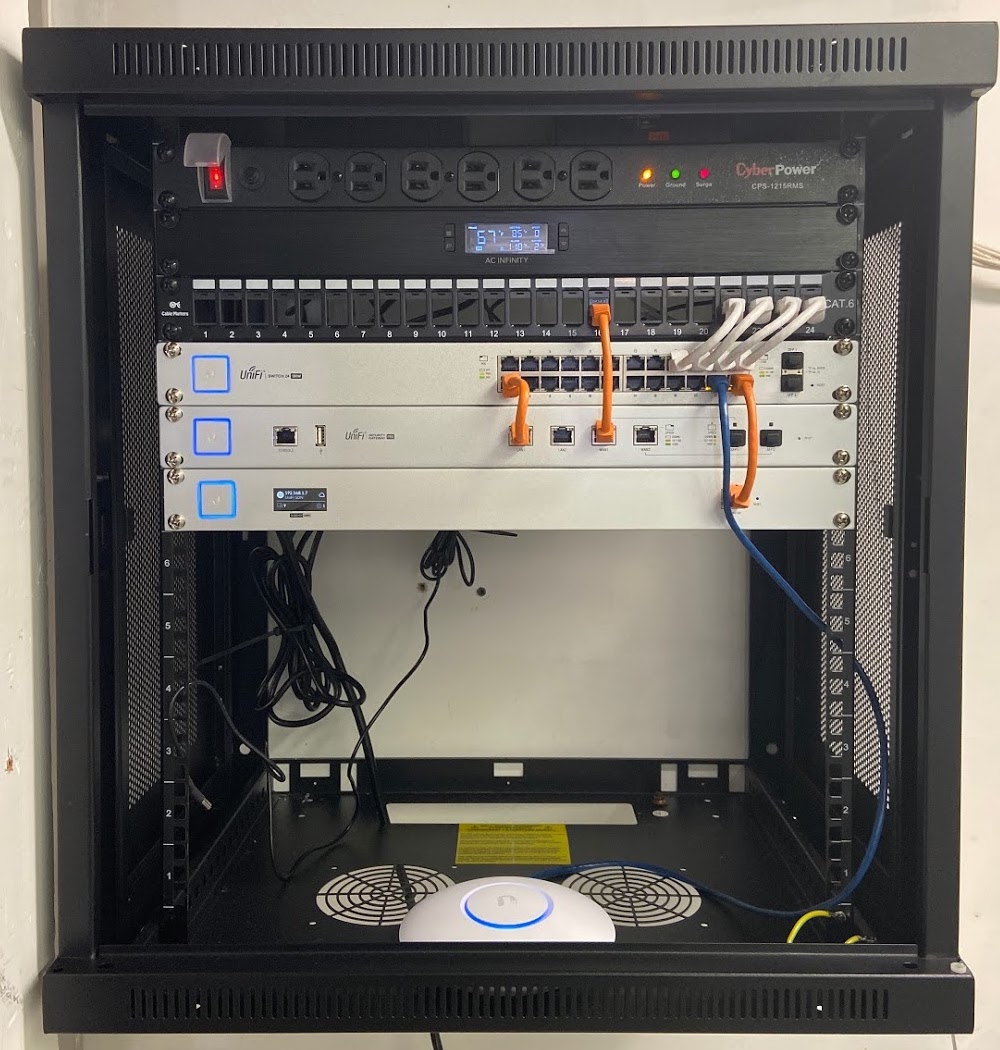
Eventually, I committed.
I bought Home Assistant Yellow—a purpose-built board with:
- Built-in wireless radios
- PoE support (perfect for my rack)
- Proper storage
- Enough RAM to grow
From there, I rebuilt everything the right way.
I migrated away from cloud-dependent devices and toward Zigbee:
- Zigbee light bulbs
- Door sensors
- Motion sensors
- Relays
All of it lived on its own isolated network, talking only to Home Assistant. No cloud. No outside dependency. No random firmware updates breaking automations.
And that’s when the house stopped being “smart” and started being intelligent.
Automation That Actually Helps Daily Life
This wasn’t about showing off anymore.
- Morning routines that prepped ice baths automatically
- Garage heaters turning on before I stepped inside
- Stairway lights activating based on motion and time of day
- Door chimes customized exactly how I wanted
- Lights reacting differently depending on presence, time, and context
Nothing required voice commands.
Nothing depended on the internet.
Everything just worked.
That’s the difference between gadgets and automation.
The Takeaway
Most people stop at smart devices.
That’s fine—until it isn’t.
If you care about:
- Reliability
- Privacy
- Network sanity
- True customization
Then local-first automation isn’t optional—it’s inevitable.
Home Assistant didn’t just replace Google Home or Alexa for me.
It replaced the idea that automation has to be cloud-controlled.
And once you cross that line, there’s no going back.