5
Why I Fell in Love with Hammock Camping
I didn’t come to hammock camping through YouTube hype or Instagram reels. I was introduced to it the old-fashioned way—by a good friend at work, years ago, on an actual backpacking trip. He was running a bridge-style hammock, and I remember being skeptical. Then I tried it. That was it. Game over.
I bought one, set it up in the backcountry, and immediately realized this wasn’t just “camping without a tent.” It was a completely different way of being in the environment instead of sealed off from it.
What Makes Hammock Camping Different
In the backcountry—real backcountry, where there aren’t people five sites away—hammock camping shines.
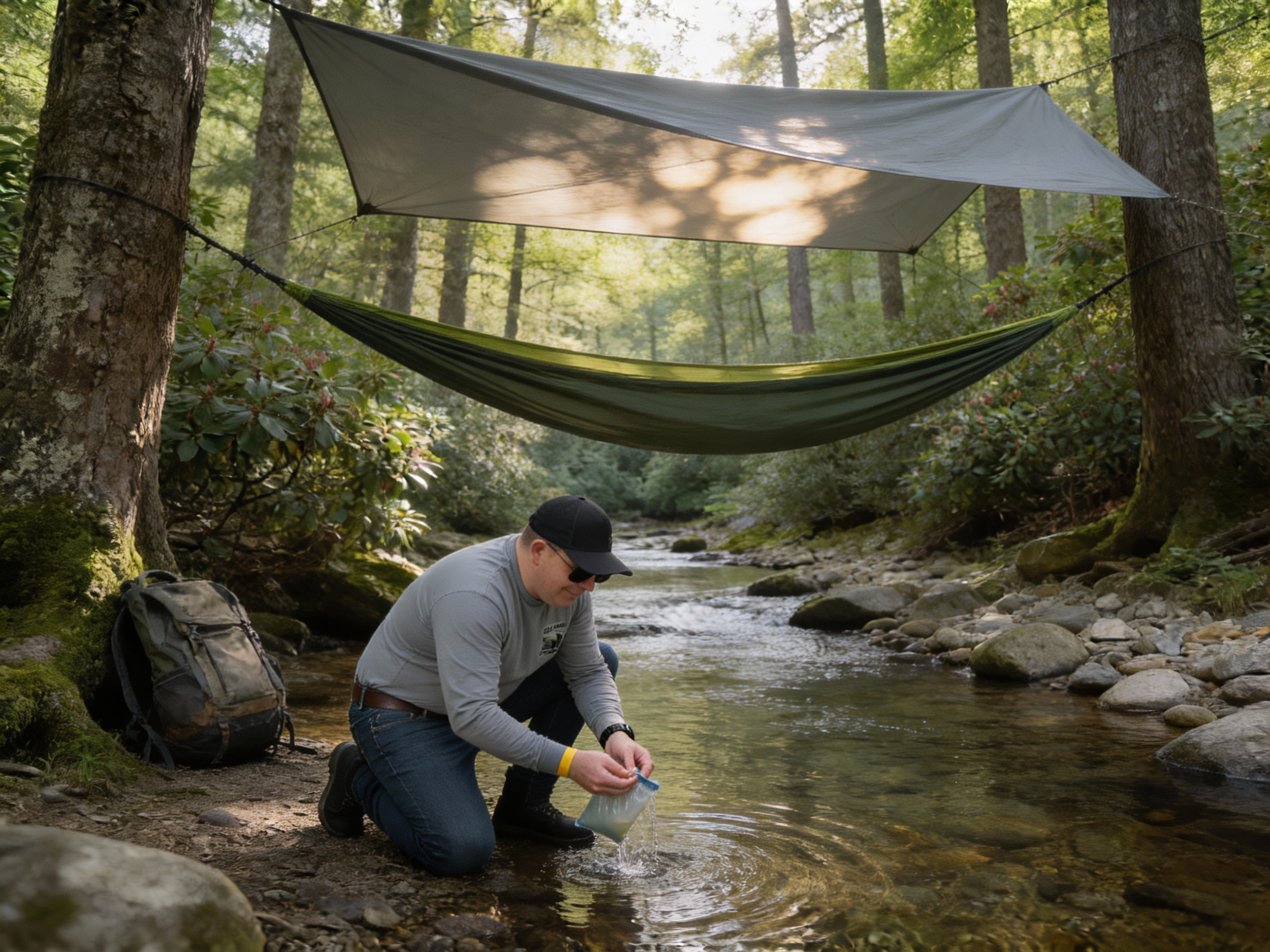
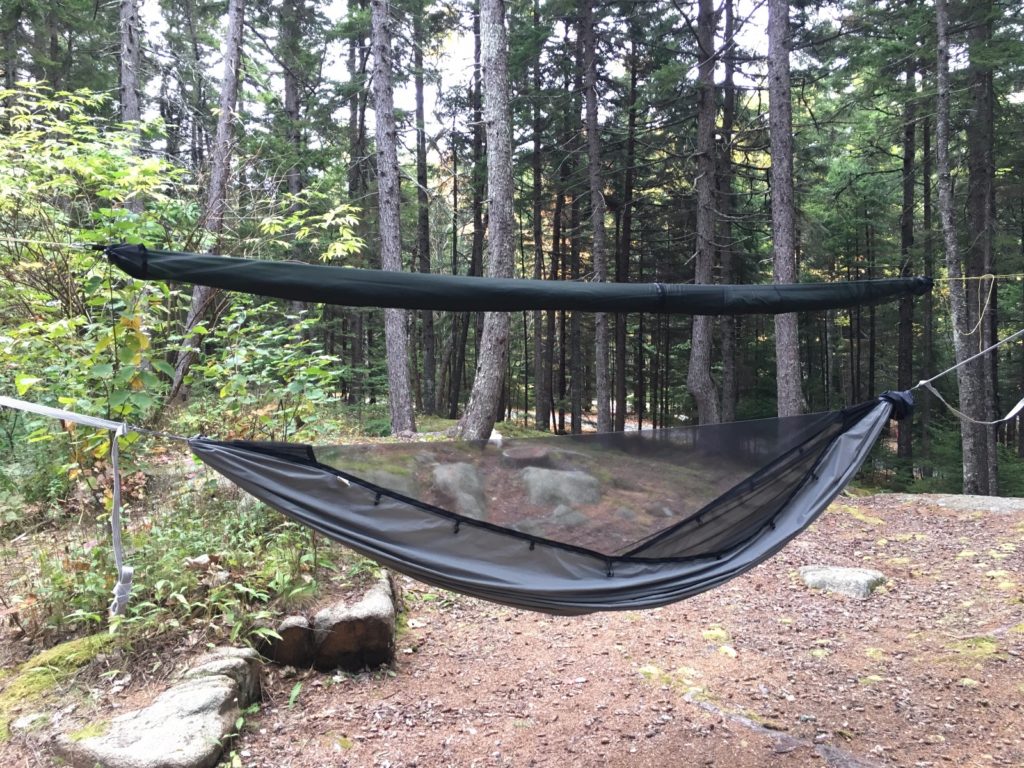
One of my favorite things is leaving the tarp rolled up in a snake skin. You string the hammock, climb in, and just exist. No walls. No floor. No zipper separating you from the night. If the weather turns, you deploy the tarp in seconds. Until then, you’re lying there looking up at the stars, listening to the wind in the trees, or watching a stream move beside you.
You see more. You hear more. You feel connected instead of contained.
That’s something a tent just can’t replicate.
The Pros (And They’re Real)
Comfort
Once you dial in your setup, sleeping in a hammock can be absurdly comfortable. No rocks. No roots. No hunting for “the perfect flat spot.” You hang where the trees are.
Flexibility in Campsites
Steep ground? Rocky terrain? Sloped forest floor? Doesn’t matter. If there are trees, you’re good.
Ventilation & Views
No condensation battles. No stuffy air. You control how open or closed your shelter is.
Fast Setup (When You Know What You’re Doing)
Once you’ve practiced, a hammock setup is fast—especially compared to wrestling a tent on uneven ground.
The Cons (Don’t Ignore These)
Here’s the part people gloss over—and they shouldn’t.
Cold Will Find You
Hammock camping in the mountains will humble you fast if you’re not prepared. The air moves under you. Your body compresses insulation. If you don’t have a proper underquilt, you will get cold. Period.
You also need:
- A properly rated top quilt
- An underquilt that’s snugged correctly
- A tarp pitched to block wind, not just rain
This isn’t optional. This is survival-level comfort math.
Setup Skill Matters
Bad angles, poor tarp placement, gaps in your insulation—small mistakes turn into miserable nights. Hammocks are forgiving once you know them, but they punish ignorance.
Weight & Bulk (Sometimes)
A full hammock system—hammock, suspension, tarp, underquilt, top quilt—can rival or exceed a lightweight tent if you’re not intentional with gear choices.
Dialing It In Together
The experience got even better once my wife and I started refining how we camped together.
We learned how to:
- Set our hammocks side by side
- Share space without crowding
- Use setups that let us talk, relax, and fall asleep together
We’ve also used hammocks designed so two people can sleep together comfortably, and when done right, it’s incredibly relaxing. There’s something special about swaying gently in the trees, close enough to reach out, with nothing but forest sounds around you.
The Bottom Line
Hammock camping isn’t “better” than tent camping. It’s different. And when it clicks, it really clicks.
It rewards:
- Patience
- Practice
- Respect for weather and insulation
But what it gives back is a deeper connection to the places you’re camping in. Less barrier. More presence. More awareness.
If you’re willing to learn the system and accept its limitations, hammock camping in the backcountry can turn a night outdoors into something unforgettable.