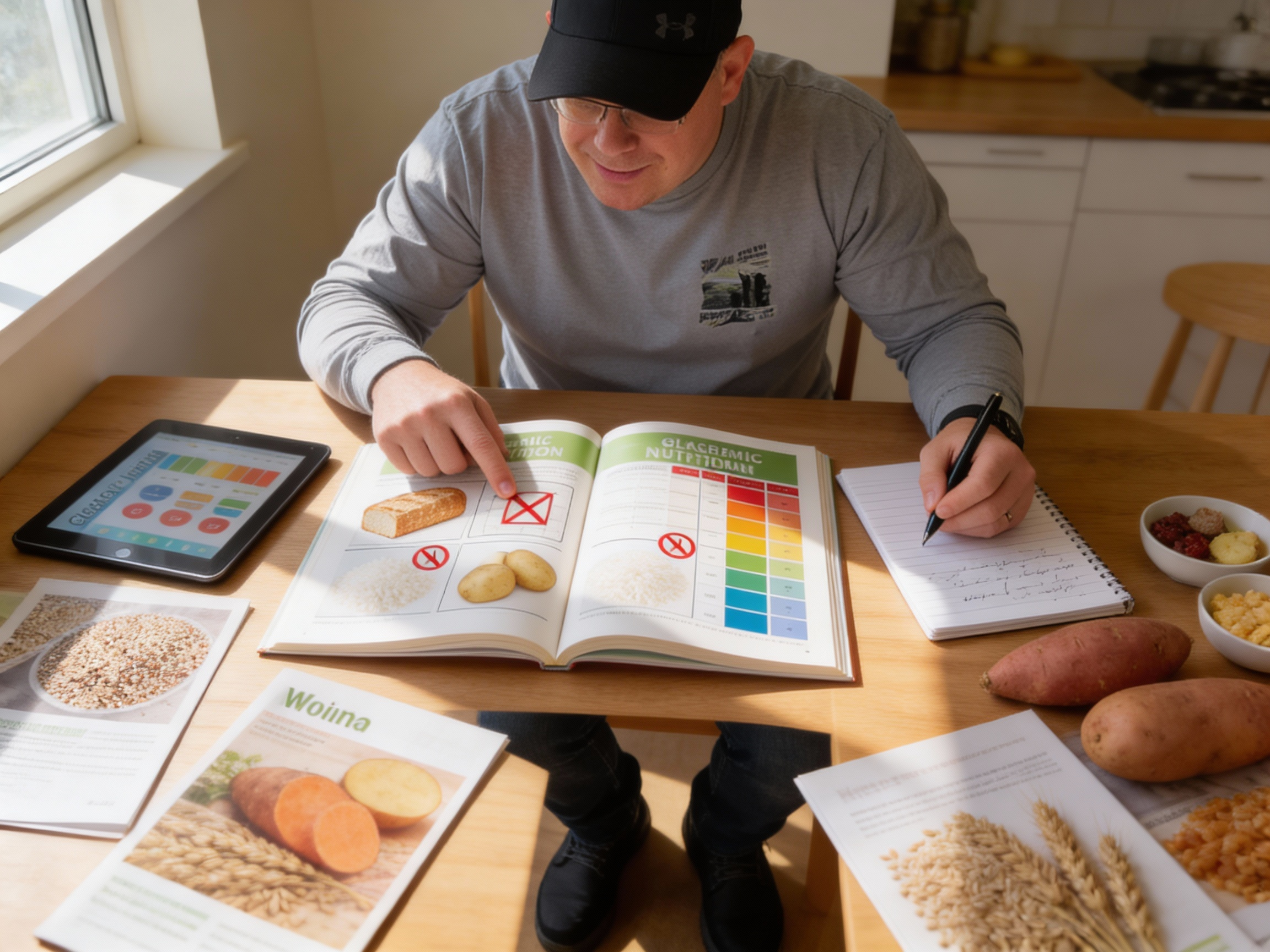
I didn’t go looking for a low-glycemic diet.
A doctor pushed me toward it—and at first, I figured it was just another buzzword. Another “eat better” lecture. Then I started actually paying attention to what I was eating.
That’s when my jaw hit the floor.
The American Meal Is Basically a Sugar Cycle
When you really look at it, almost every standard American meal is built on a high-glycemic base:
- Bread
- Potatoes
- Rice
- Pasta
- Corn syrup hiding in everything
Breakfast? Bread.
Lunch? Bread or rice.
Dinner? Potatoes or pasta.
And the pattern is always the same:
Eat → spike → crash → crave → repeat
Once I learned what glycemic load actually does to your blood sugar, energy, and hunger signals, I couldn’t unsee it. The crashes weren’t “normal.” They were predictable.
Flip over enough boxes at the grocery store and it gets worse. Products marketed as “healthy” are often just refined carbs wrapped in better branding.
At some point I caught myself thinking:
This can’t be how we were intended to live.
Over-Consumerized Food (and Why It’s So Hard to Escape)
One of the most uncomfortable realizations was this:
What we sell in America is wildly different from what many other places consider normal food.
Our stuff is:
- Over-processed
- Over-sweetened
- Designed to be addictive
- Designed to sell, not sustain
You’re not weak for struggling with it—the system is engineered that way.
Which leads to the next problem…
“Okay… So Where Can I Even Eat?”
Once I started trying to eat low-glycemic, the restaurant reality hit fast.
Short answer?
Not many places make it easy.
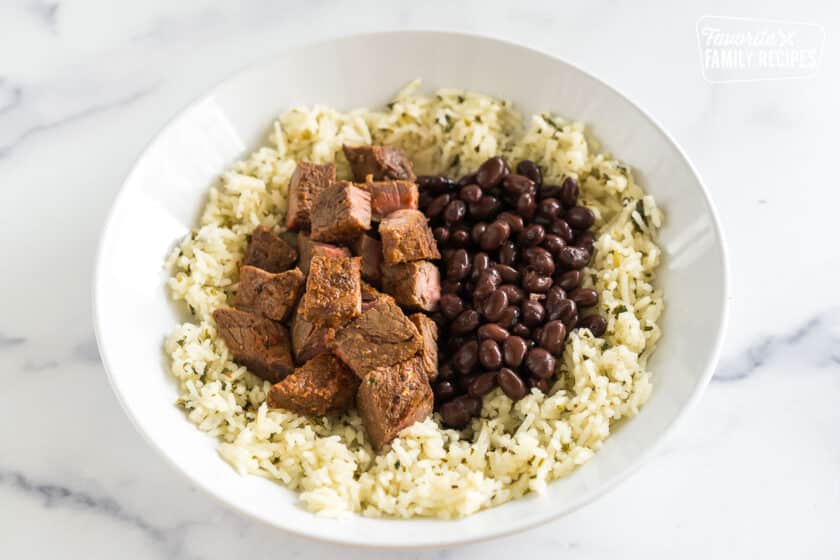
Take something like Chipotle.
Sure, you can order:
- No rice
- Black beans
- Steak or chicken
- Cheese on top
But the second you remove the carb base, you realize something uncomfortable:
That bowl suddenly looks like 60% of the portion you used to get.
So you learn:
- Double steak
- Double chicken
- Protein becomes the base, not the topping
It works—but it’s not intuitive when you’ve been trained your whole life that carbs are the foundation of a meal.
Learning to Swap the Base (Without Killing Flavor)
Here’s the thing: I don’t want bland food.
I love bold flavors.
I love tacos.
What I didn’t love was:
- Chips
- Tortillas
- Wraps
Then I saw a recipe that honestly sounded ridiculous at first.
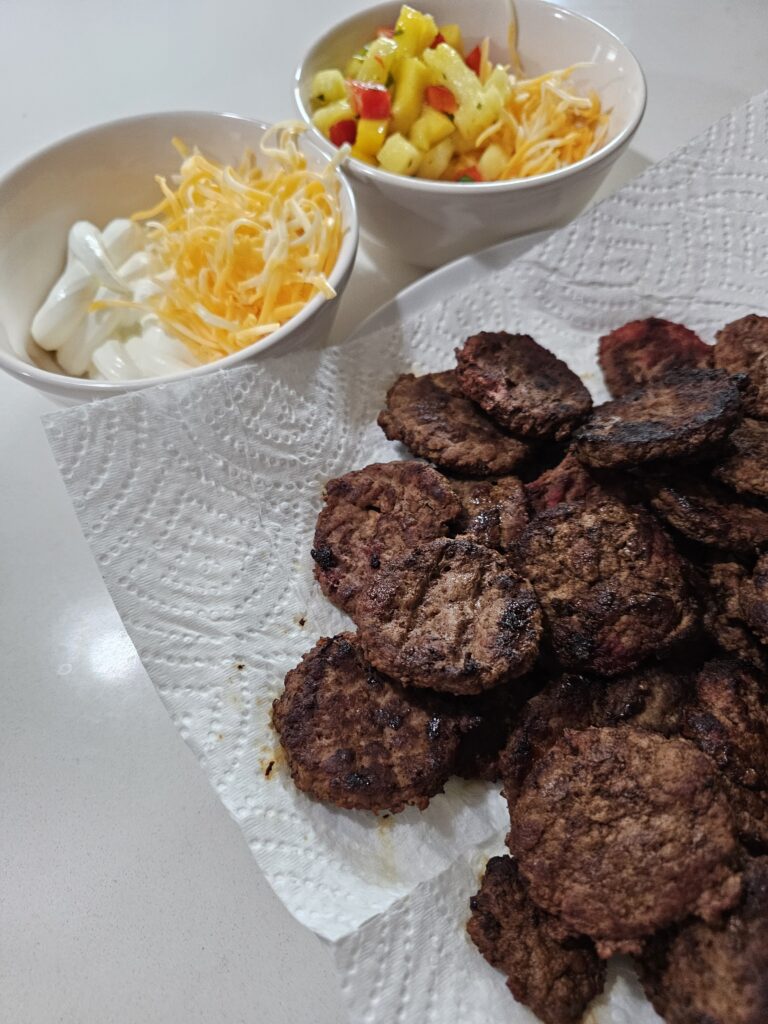
Hamburger “Chips” Instead of Tortilla Chips
The idea was simple:
- Take lean ground beef
- Press it thin
- Use a cookie cutter or shape it into small rounds
- Grill or bake until crisp
Instead of dipping tortilla chips into taco toppings…
You dip lean protein into the toppings.
It sounds wrong.
It tastes phenomenal.
That was the moment it clicked:
Low-glycemic doesn’t mean giving things up.
It means changing what plays the supporting role.
Reframing Bread (and Why That Changed Everything)
Weeks later, something else shifted.
I realized I didn’t need bread.
I just used bread.
Now?
- Bread is rare
- Bread is intentional
- Bread is a reward, not a default
And here’s the wild part:
When bread becomes the reward, your relationship with food changes.
It’s no longer:
“I need something sweet.”
It becomes:
“This meal actually fueled me.”
That’s a completely different mindset—and it’s one that sticks.
The Takeaway (No Sugarcoating)
Low-glycemic eating isn’t trendy.
It’s not easy.
And it absolutely goes against how food is sold in this country.
But once you see it, you can’t unsee it.
You stop chasing energy.
You stop crashing.
You stop wondering why you’re hungry two hours after eating.
And maybe most importantly—you realize:
You don’t need nearly as much bread as you were taught.